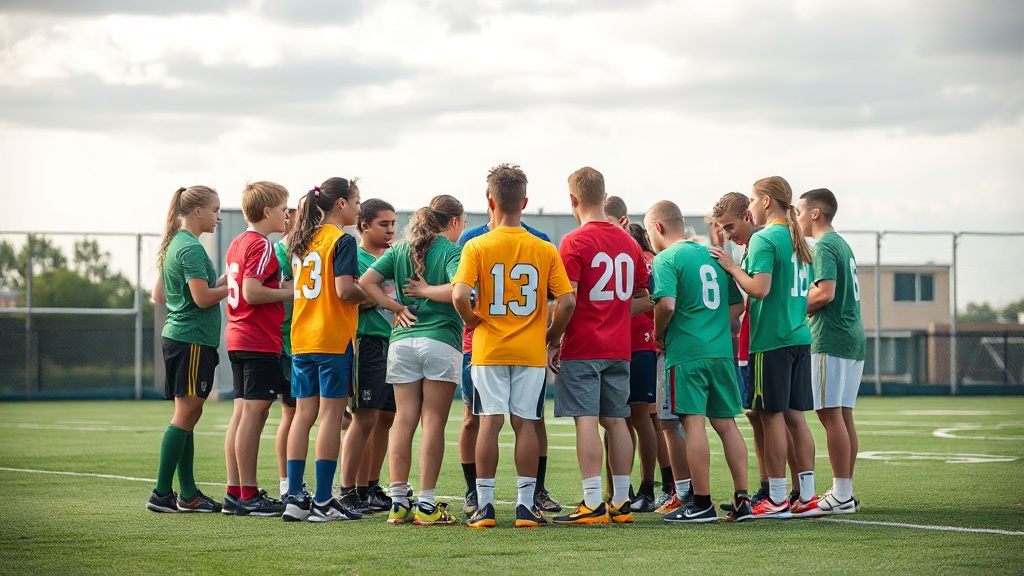
Running a Camp Is Running a Business
A sports camp or clinic looks like a few days of drills and scrimmages, but from a risk standpoint it is a temporary business that gathers dozens or hundreds of participants, hires seasonal staff, rents facilities, and puts young athletes through physical activity on a compressed schedule. Clubs and leagues carry the same exposures across a longer season. Every one of those elements creates insurance needs — and most facilities and sanctioning bodies will not let you operate until you can prove you have coverage in place.
This guide explains the two core coverages every operator needs, the requirements that third parties will impose on you, and the documentation you should have ready before the first whistle.
Participant Accident Insurance
Participant accident insurance covers medical costs when an athlete is injured while taking part in your camp, clinic, practice, or game. It is the coverage that responds directly to the participant's injury, regardless of fault, and it is usually the first thing a parent will ask about.
Operators should understand a few key choices:
- Primary vs. excess. A primary policy pays from the first dollar (subject to deductible) without requiring the family to bill their own health plan first. An excess policy pays only after the family's plan has responded. Primary coverage is friendlier to families but costs more; excess coverage is economical but assumes participants carry their own health insurance.
- Benefit limits and deductible. These determine how much the policy pays per injury and what the family or program absorbs first.
- Catastrophic limits. For contact and high-impact sports, you want the policy to include high catastrophic limits so a severe injury is covered, not just routine sprains and fractures.
Offering participant accident coverage is not only responsible — it materially reduces the chance that an injured family turns to a lawsuit, because their medical costs are already being addressed.
General Liability Insurance
General liability (GL) is the other pillar. While participant accident coverage pays for the injured athlete's care, general liability protects your organization when someone alleges that your negligence caused harm or property damage. Typical GL claims at a camp or clinic include:
- A spectator or parent injured on the premises — a slip, a fall, a stray ball.
- Property damage to a rented facility or a third party's equipment.
- Allegations that inadequate supervision or unsafe conditions led to an injury.
- Lawsuits naming the organization, its coaches, and its staff.
General liability funds your legal defense and any settlement or judgment, which is critical because defense costs alone can be substantial even when a claim is ultimately unfounded.
What Facilities and Sanctioning Bodies Require
Here is where many first-time operators get caught off guard. You may be ready to run your camp, but the gymnasium, field, or school you have rented — and the league or governing body sanctioning your event — will impose their own insurance requirements before they let you proceed. Common requirements include:
- Proof of insurance. A certificate of insurance (COI) showing your general liability and participant accident coverage, with specified minimum limits.
- Additional insured status. The facility owner, school district, league, or sanctioning body will typically require that they be named as an additional insured on your liability policy, extending your coverage to protect them for claims arising out of your event.
- Minimum limits. Venues and governing bodies frequently specify minimum per-occurrence and aggregate liability limits you must carry.
- Waiver of subrogation or other contract-specific endorsements, depending on the venue agreement.
If you are affiliated with a national governing body or youth sports organization, that body may either require you to carry your own coverage or enroll you in a group program. Either way, you need to know the requirement well in advance, because a certificate request the day before your event is a recipe for a cancelled camp.
Coaches, Staff, and Volunteers
Camps and clinics run on temporary and volunteer labor, which raises a few additional considerations:
- Coverage for staff conduct. Your liability policy should respond to claims arising from the actions of the coaches and staff working under your program.
- Workers' compensation. If you have employees, most jurisdictions require workers' compensation coverage for them. Whether your seasonal hires count as employees is a question worth confirming.
- Abuse and molestation coverage. Programs working with minors should strongly consider this specialized coverage, which many sanctioning bodies now expect and some require.
Waivers Belong in the File — But They Are Not Insurance
Every participant family should sign a well-drafted waiver and medical-authorization form, and you should keep those signed forms on file. But understand what a waiver does and does not do. A waiver can help establish that participants accepted the inherent risks of the activity and can discourage litigation. It does not pay a medical bill, and courts may decline to enforce it — especially where minors are involved or where gross negligence is alleged. Insurance is what actually funds an injury or a defense. Use waivers and insurance together: waivers to set expectations, insurance to fund outcomes.
A Practical Checklist for Operators
Before your camp, clinic, or season begins, make sure you can check these boxes:
- General liability in force, at limits that satisfy your venue and sanctioning body.
- Participant accident coverage with appropriate benefit and catastrophic limits.
- Certificates of insurance issued, with the right parties named as additional insured.
- Workers' compensation in place if you have employees.
- Abuse and molestation coverage considered, and in place if you work with minors.
- Signed waivers and medical forms collected for every participant.
Get It Set Up the Right Way
Insuring a camp, clinic, club, or league is very doable — but the details around limits, additional-insured endorsements, and sanctioning requirements trip up operators who try to piece it together at the last minute. Bring us the requirements from your facility and your governing body, and we will build a program that satisfies them and genuinely protects your athletes and your organization. Call our team or request a quote, and give yourself enough lead time to have your certificates ready well before the first session.